
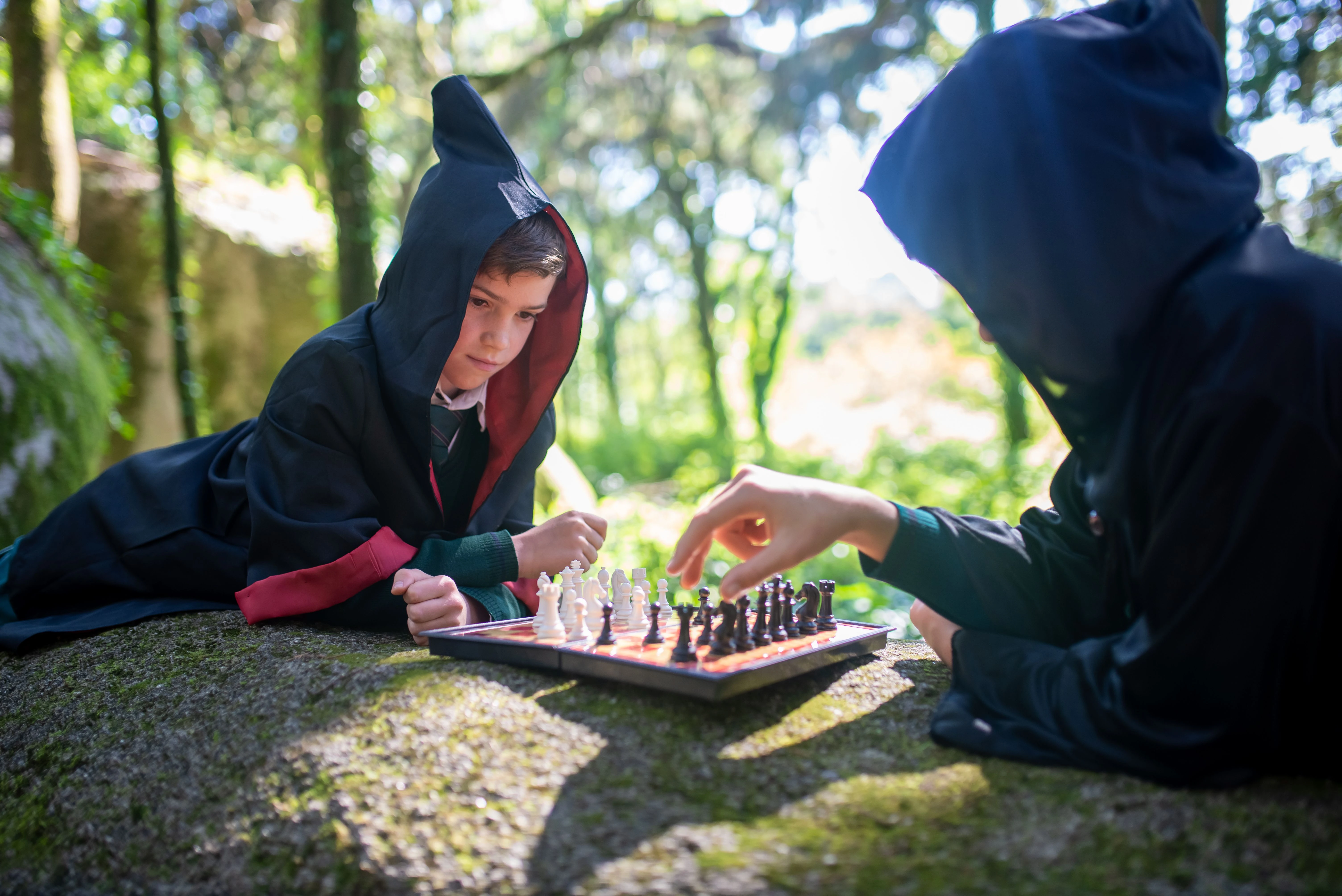
How Chess Builds Discipline and Confidence in Kids
Chess is more than just a board game. It is a powerful learning activity that encourages children to think carefully, make decisions, and develop useful habits. Here are some ways chess can help children grow and learn.
1. Develops Discipline
-
Chess teaches children to follow rules and respect their opponents.
-
Players learn to think before making a move instead of acting in a hurry.
-
Regular chess practice encourages patience and consistency.
2. Improves Concentration
-
Children must pay attention to the chessboard and their opponent’s moves.
-
They learn to avoid distractions and focus on their goals.
-
This practice may also help them develop better study habits.
3. Builds Confidence
-
Learning new chess strategies gives children a sense of achievement.
-
Winning a game can increase confidence, while solving difficult puzzles helps them trust their abilities.
-
Participating in tournaments gives them opportunities to demonstrate their skills.
4. Teaches Patience
-
Chess encourages children to consider different possibilities before deciding.
-
They learn that good results often require time, effort, and careful planning.
-
Patience helps them handle challenging situations more calmly.
5. Encourages Smart Decision-Making
-
Every chess move has possible consequences.
-
Children learn to compare options, identify risks, and choose suitable moves.
-
These decision-making skills can be useful in everyday life.
6. Teaches How to Handle Failure
-
Losing a chess game helps children understand that mistakes are part of learning.
-
Reviewing a game helps them identify weaknesses and improve their strategies.
-
They learn to accept results gracefully and keep trying.
7. Promotes Respect and Sportsmanship
-
Chess teaches children to respect opponents, follow rules, and behave fairly.
-
They learn that both winning and losing are opportunities to improve.
Conclusion
Chess can be a valuable activity for children's personal development. It encourages discipline, concentration, patience, confidence, and thoughtful decision-making. At Mastermind Chess Academy, children can learn chess while enjoying challenges, developing their abilities, and growing as responsible players.