
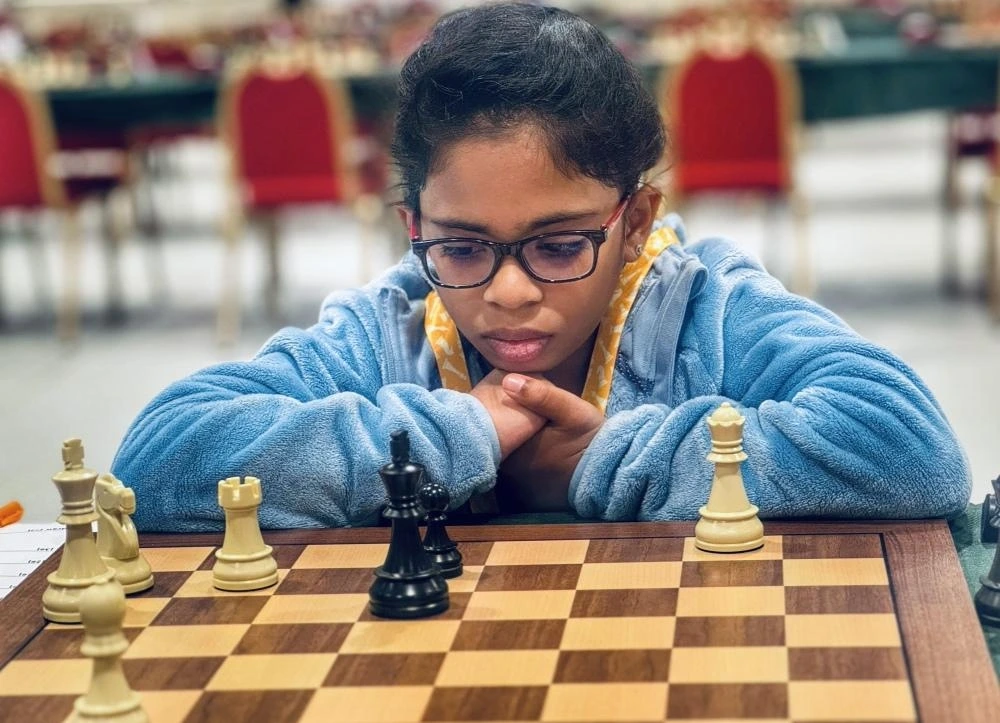
Can Your Child Become a Chess Champion? Discover the Power of Chess!
1. The Amazing Benefits of Chess for Children
Chess is much more than a board game. It is an engaging learning experience that encourages children to think carefully, solve problems, and make decisions independently. Every move presents a new challenge, helping young minds explore different possibilities and understand the consequences of their choices.
Playing chess regularly can help children develop concentration, logical reasoning, patience, creativity, and planning skills. It also teaches them to analyse situations before acting, recognise mistakes, and learn from both success and failure.
One of the most valuable lessons chess teaches is that progress comes through practice and persistence. A lost game is not the end of the journey; it is an opportunity to discover new ideas and improve for the next challenge.
At Mastermind Chess Academy, we encourage students to enjoy the learning process while gradually developing their chess skills and confidence.
2. At What Age Should Children Start Learning Chess?
Children can begin exploring chess when they show an interest in games, patterns, and problem-solving. Many children can start learning simple chess concepts around the age of five or six, while some are ready earlier and others prefer to begin later. There is no single perfect age for every child.
For beginners, learning should be fun and engaging. Children can start by recognising the chess pieces, understanding how they move, and learning the objective of the game. Simple puzzles, friendly practice games, and interactive activities can make these early lessons enjoyable.
As their understanding develops, students can progress to checkmate patterns, basic tactics, opening principles, and endgame techniques. Lessons should match each child's age, experience, and pace of learning.
At Mastermind Chess Academy, we believe that every student deserves the opportunity to discover chess in a supportive environment and develop at their own pace.
3. Meet the Coach — Pramod Kumar Satyawali
Behind every successful learning journey is guidance, encouragement, and a commitment to improvement. At Mastermind Chess Academy, Coach Pramod Kumar Satyawali is dedicated to helping students understand chess, strengthen their skills, and develop a genuine love for the game.
With credentials as an NI (National Instructor) and Senior National Arbiter, along with a FIDE-verified profile, Coach Pramod Kumar Satyawali brings knowledge of chess instruction and tournament rules to the academy.
His teaching approach focuses on helping students understand the reasoning behind their moves rather than simply memorising patterns. Students are encouraged to analyse positions, consider different possibilities, recognise tactical opportunities, and develop their own strategic thinking.
From beginners learning their first moves to developing players preparing for competitive events, the academy aims to provide guidance suited to individual learning needs.
Our philosophy is simple: every student can improve through consistent practice, thoughtful analysis, patience, and the willingness to learn from mistakes.
Fide Verified Id of coach { Pramod kumar Satyawali } - 564044653
4. From Beginner to Tournament Player
Every chess journey begins with a single move. With regular practice and structured learning, beginners can gradually develop the knowledge and confidence needed to participate in chess competitions.
The first step is to understand the fundamentals: the movement of each piece, the rules of check and checkmate, castling, pawn promotion, and other essential concepts.
Once students become comfortable with the basics, they can explore tactical ideas such as forks, pins, skewers, and discovered attacks. These techniques help players recognise opportunities to gain an advantage and protect their pieces.
The next stage involves understanding chess strategy. Students learn how to develop their pieces, control important squares, protect their king, and create plans based on the position. Endgame practice helps them understand how to convert advantages and defend difficult positions.
Tournament preparation introduces additional skills, including using a chess clock, managing time, recording moves when required, and following competition rules.
Participating in tournaments also teaches valuable lessons about sportsmanship, discipline, and handling pressure. Winning can build confidence, while losing can reveal areas for improvement.
At Mastermind Chess Academy, we encourage students to focus on steady progress and enjoy every stage of their chess development.
5. How Parents Can Support Young Chess Players
Parents play an important role in making a child's chess journey enjoyable and rewarding. Children often develop confidence when their efforts are appreciated and they are given the freedom to learn without unnecessary pressure.
One of the simplest ways to support a young chess player is to encourage regular practice. Even a short, focused practice session can be valuable when it is consistent and enjoyable.
Parents can also play friendly games with their children, solve simple chess puzzles together, or ask them to explain the ideas behind their moves. These activities encourage independent thinking and make learning a shared experience.
It is equally important to celebrate effort rather than focusing only on tournament results. A child who identifies a mistake, discovers a new tactic, or improves their decision-making has made meaningful progress, even if they do not win every game.
A healthy balance between chess, schoolwork, physical activity, sleep, and relaxation is essential. Children should feel encouraged to explore their interests while enjoying their childhood.
With patience, positive encouragement, and the right learning environment, parents can help children develop a lasting appreciation for chess and the valuable skills it promotes.
6. Take the First Step Towards Chess Excellence
Could chess become your child's favourite game? The best way to find out is to give them an opportunity to explore it.
Whether your child is completely new to chess or already enjoys playing with friends and family, learning with proper guidance can help them understand the game more deeply and discover new challenges.
At Mastermind Chess Academy, we aim to make chess learning engaging, structured, and rewarding. Through the study of tactics, strategy, game analysis, and competitive preparation, students can work towards their personal goals while developing patience, confidence, and a spirit of continuous improvement.
Remember, becoming a chess champion is not only about winning trophies. It is also about learning to think independently, making thoughtful decisions, showing respect for opponents, and having the courage to try again after a setback.
Give your child the opportunity to learn, think, and grow through chess.
Join Mastermind Chess Academy and begin a journey filled with exciting challenges, valuable lessons, and endless possibilities.
Mastermind Chess Academy
Think Smart. Play Strong. Move Towards Excellence! ♟️